Pakistan’s Shameful Showing At The Asian Games In Japan Who Is Responsible?
- 10 Oct - 16 Oct, 2026


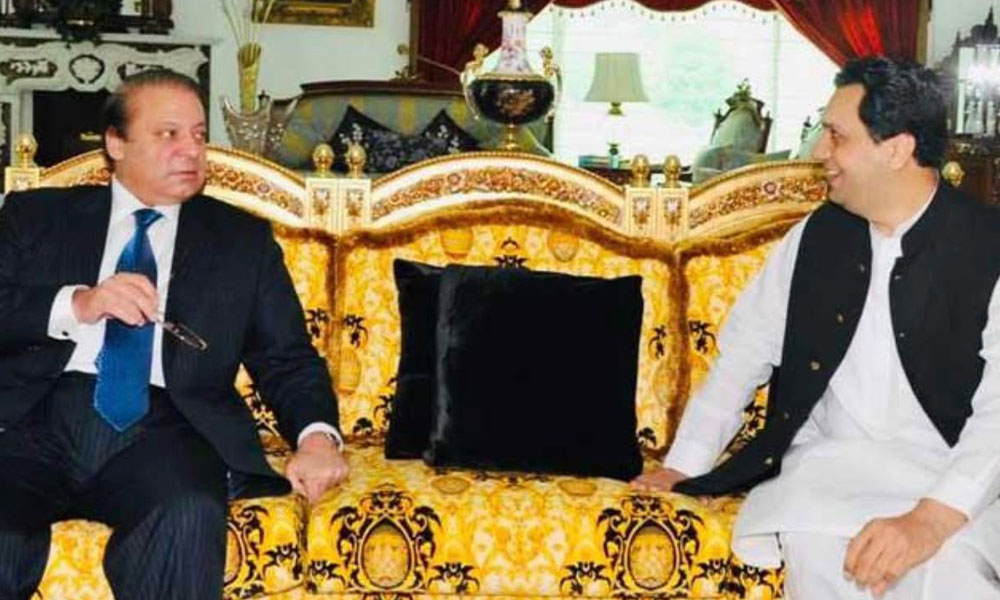
It is often said that politics has no heart. Perhaps that is why the loyalty of some politicians survives only as long as the doors of power remain open. They enter a party, secure the leadership’s confidence and applaud every decision. Flattery is presented as loyalty and personal ambition as party service. In return, they receive ministries, governorships and even the prime ministership. Workers raise slogans, endure hardship and run election campaigns, but the rewards of power fall into a few privileged laps. Once removed from office, these beneficiaries suddenly discover flaws in the very leadership they had faithfully praised.
The Pakistan Muslim League-N offers several examples. Nawaz Sharif nominated Shahid Khaqan Abbasi as prime minister during one of the most difficult periods in the party’s history. Yet Abbasi later became a vocal critic of its leadership, political narrative and decision-making. Miftah Ismail was twice entrusted with managing the national economy, but after leaving office he openly criticised Ishaq Dar, the party’s economic policies and its internal decisions.
Muhammad Zubair was appointed governor of Sindh and later served as spokesperson for Nawaz Sharif and Maryam Nawaz. He too eventually began publicly criticising the PML-N government and its strategy. Chaudhry Nisar Ali Khan held some of the country’s most important ministries, but following disagreements he questioned Nawaz Sharif’s political strategy and Maryam Nawaz’s leadership role.
The phenomenon is not confined to one party. In the Pakistan Peoples Party, Zulfiqar Mirza enjoyed extraordinary authority as Sindh’s home minister. After leaving office, his fierce attacks on Asif Ali Zardari and party policies turned a long friendship into open hostility. Pakistan Tehreek-e-Insaf has witnessed similar departures. Several figures obtained ministries and governorships in Imran Khan’s name, only to abandon the party in difficult times and blame the same leadership for their choices. The nation recognises them even when their names are not mentioned.
Disagreement is not a crime. The real question is why conscience awakens only after power disappears. Why are failures invisible while one holds office? Why does criticism, never expressed even in a whisper during government, become a television headline immediately after a ministerial chair is lost?
The case of Qaiser Ahmed Sheikh of Chiniot is different but equally revealing. The PML-N repeatedly awarded him a National Assembly ticket, appointed him federal minister for maritime affairs and later made him chairman of the Board of Investment with the status of a federal minister. Despite these honours, he has publicly complained about powerless ministers, bureaucratic dominance, lack of consultation and the absence of parliamentary party meetings. In several private gatherings and public appearances, I have personally heard him use unusually harsh language about party leaders and decisions.
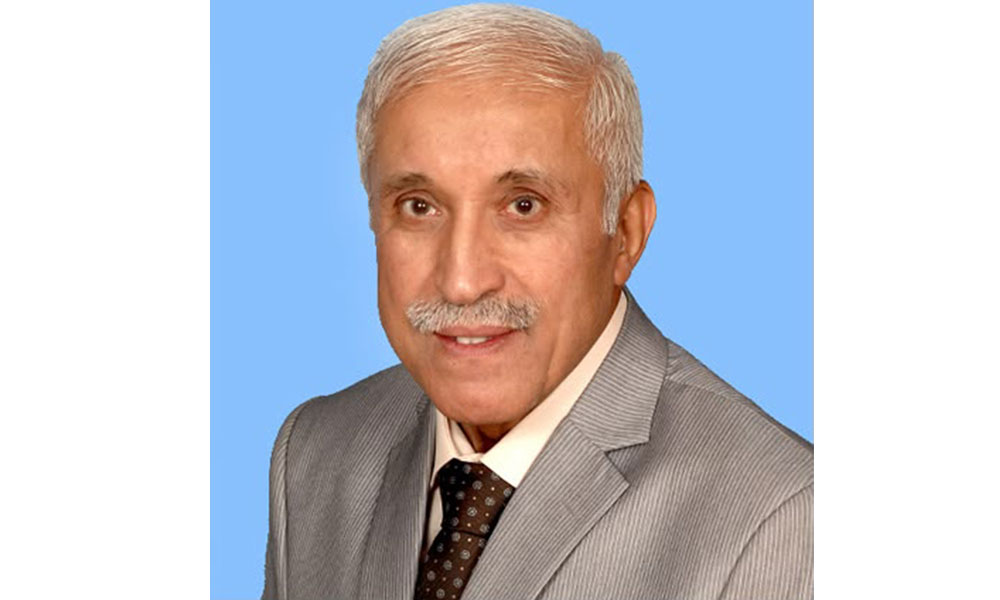
The most painful part of this story, however, concerns Sheikh Qaiser Mahmood of Japan. He served as president of PML-N Japan and secretary general of PML-N Overseas, devoting nearly three decades of his life, resources and business interests to the party. When General Pervez Musharraf overthrew Nawaz Sharif’s government and many prominent loyalists fell silent, Qaiser Mahmood stood beside the late Begum Kulsum Nawaz and worked tirelessly to keep the party active.
Running party offices and organising workers during that period was neither easy nor without risk. Published accounts indicate that Qaiser Mahmood personally met the expenses of several party offices. Following Nawaz Sharif’s arrest, his anguish and loyalty during a conversation with Begum Kulsum Nawaz deeply moved her. During Makhdoom Javed Hashmi’s imprisonment, he also supported Hashmi’s family. He was not merely a companion for photographs; he remained present when association with the PML-N carried a heavy price.
According to those close to him, his loyalty to Nawaz Sharif during the Musharraf era caused him enormous financial losses, including complications involving nearly 800 acres of land in Gwadar. Yet neither financial damage nor political neglect persuaded him to abandon the party.
Before the 2013 general election, Nawaz Sharif had promised Qaiser Mahmood the PML-N ticket for a National Assembly seat in Chiniot. Political compulsions and local considerations ultimately led to the ticket being awarded to Qaiser Ahmed Sheikh. Qaiser Mahmood contested independently and secured approximately 22,000 votes. Despite being denied the ticket and losing the election, he neither severed ties with Nawaz Sharif nor turned his disappointment into a campaign against the party.
In 2022, amid talk of early elections and reports that Qaiser Ahmed Sheikh might join the PTI, Qaiser Mahmood’s supporters registered him as a possible candidate. When it became clear that the PML-N ticket would again go to Qaiser Ahmed Sheikh, he withdrew his name, refrained from contesting and remained within party discipline.
This contrast deserves reflection. One man received tickets and high office, yet repeatedly criticised the party; the other suffered political rejection, electoral defeat and financial loss, yet remained loyal. Politics must allow disagreement, but it should also preserve gratitude, dignity and respect for those who stood firm in adversity. Otherwise, history will record that workers made the sacrifices, flatterers received the offices, and loyalty departed the moment power ended.








COMMENTS