Pakistan’s Shameful Showing At The Asian Games In Japan Who Is Responsible?
- 10 Oct - 16 Oct, 2026


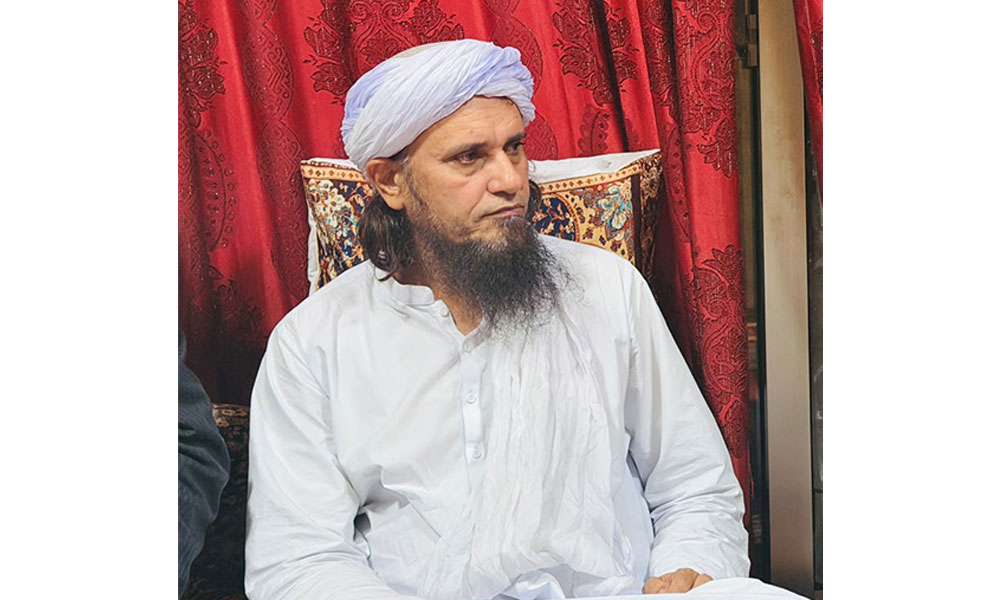
TOKYO: Prominent Pakistani religious scholar Mufti Tariq Masood has openly addressed the controversy surrounding his advocacy of multiple marriages, saying that although his views have attracted criticism from various sections of society, they have also produced what he described as significant positive social outcomes. He expressed these views during an exclusive interview with Geo News in Tokyo, covering marriage, family responsibility, social attitudes and the conduct expected of Muslims living in Japan.
Discussing his widely debated statements regarding four marriages, Mufti Tariq Masood acknowledged that his position had provoked strong reactions, particularly among women in Pakistan. He said the issue was often discussed emotionally and without sufficient attention to its wider social implications. According to him, his purpose was to encourage serious consideration of the difficulties faced by widows and divorced women who wish to rebuild their lives but frequently encounter social prejudice and limited prospects for remarriage.
The religious scholar claimed that his advocacy had encouraged many people to reconsider prevailing attitudes towards second marriages. He maintained that thousands of widowed and divorced women had been able to establish new homes and begin fresh lives as a result of the broader debate generated by his message. This, he argued, should also be taken into account when assessing the impact of his statements rather than focusing only on the criticism they generated.
Addressing women who were upset or angered by his remarks, Mufti Tariq Masood offered a special message during the interview. He explained his perspective and urged critics to consider the subject within its wider social context. Marriage, he indicated, should not be reduced to slogans or controversy but approached as a serious institution involving rights, responsibilities, justice and the wellbeing of all concerned.
The conversation also moved beyond the marriage debate to the responsibilities of Muslims living in Japan. Mufti Tariq Masood urged members of the Muslim community to respect Japanese laws, cultural norms and public convenience in every circumstance. He said Muslims living abroad effectively represent their faith through their daily behaviour, and their conduct can either create a positive impression or cause unnecessary misunderstanding.
He advised Muslims to offer prayers and perform other religious observances inside mosques, imambargahs, homes or other properly enclosed and designated places. Public spaces, roads and public parking areas, he said, should not be used for congregational prayers if doing so causes inconvenience, obstructs movement or creates difficulties for local residents. Religious devotion, he stressed, must be practised with awareness of the rights and comfort of others.
Mufti Tariq Masood also cautioned worshippers against parking their vehicles illegally outside mosques and religious centres. He called for complete compliance with traffic regulations and urged community organisations to ensure that religious gatherings remain orderly and do not disturb neighbourhoods. Respect for the law, he observed, is not merely a civic requirement but also reflects the Islamic principles of responsibility, discipline and respect for other people’s rights.
The scholar emphasised that Muslims in Japan should seek to win the confidence and goodwill of Japanese society through honesty, good manners, reliability and fulfilment of promises. In his view, positive personal conduct is among the most effective ways of introducing the true qualities of Islam. A Muslim who behaves with courtesy, keeps commitments, observes local rules and avoids causing inconvenience offers a stronger message than words alone.
Japan is widely recognised for its discipline, cleanliness, civic responsibility and respect for public order. Mufti Tariq Masood said Muslims living in the country should appreciate these qualities and contribute positively to the society in which they reside. Religious identity and responsible citizenship, he suggested, should complement rather than contradict each other.
The exclusive Geo News interview in Tokyo presents Mufti Tariq Masood’s detailed views on the controversy surrounding multiple marriages, the criticism directed at him, his claimed positive impact on widows and divorced women, and his special message for women angered by his statements. It also carries a broader appeal to Muslims in Japan to become recognised through their character, integrity, peaceful conduct and respect for the law.









COMMENTS