What’s to watch on Netflix?
- 10 Oct - 16 Oct, 2026


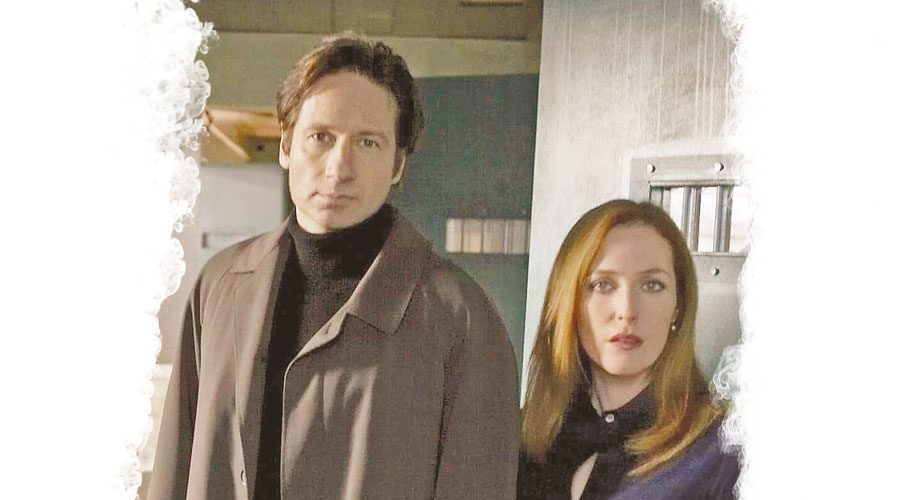
A revised version of 2008’s much-maligned The X-Files: I Want to Believe, this director’s cut is less a dramatic reinvention than a streamlined revisit aimed primarily at longtime fans. Unlike major director’s cuts such as Blade Runner or Kingdom of Heaven, the changes here are relatively subtle, with the new version actually running shorter than the theatrical release. For viewers who remember the original well, the differences may be difficult to detect.
In retrospect, the film’s decision to move away from the alien mythology that defined The X-Files was unusual. Instead, creator Chris Carter constructed what essentially feels like an extended monster-of-the-week story, using supernatural elements to explore one of the franchise’s enduring themes: faith. The result is a standalone crime thriller centred on belief, morality and redemption.
The story begins with disgraced priest Father Joe, played by Billy Connolly, leading FBI agents to a snow-covered field where a human arm is discovered. Joe claims to have psychic visions of a serial killer connected to the crime. His complicated history as a convicted sexual predator creates an uneasy question about whether such a deeply flawed individual can be redeemed, although the screenplay never fully confronts the moral implications.
The case brings former FBI agents Fox Mulder and Dana Scully, played by David Duchovny and Gillian Anderson, back together. Their contrasting responses to Father Joe’s visions revive one of the franchise’s central dynamics: Mulder’s willingness to believe and Scully’s instinctive skepticism. Yet by this stage, the relationship between the characters has developed far beyond that simple believer-versus-skeptic formula.
Duchovny and Anderson remain the film’s greatest asset. Their shared history gives even ordinary exchanges an emotional weight, while Anderson communicates remarkably through small gestures, expressions and pauses. The story, however, belongs more to Scully than Mulder. Her faith and uncertainty are further explored through her efforts to help a terminally ill child, despite pressure from others to accept that nothing more can be done.
The director’s cut primarily tightens the pacing and restores material that Carter says was censored from the original release. Some additional gore appears toward the conclusion, but the alterations are modest rather than transformative. The version feels more like a refinement of the original than a substantial reworking.
Carter’s dialogue remains one of the screenplay’s weaker elements. Exchanges about belief and doubt occasionally sound so deliberately X-Files-like that they risk becoming self-parody. Fortunately, the film’s striking imagery and brisk plotting help compensate for the occasional cliché.
What remains most appealing is the film’s old-fashioned approach to adult thriller filmmaking. Its serial-killer story, bleak atmosphere and restrained use of spectacle recall the crime films of the 1970s and 1980s rather than the CGI-heavy blockbusters that dominate contemporary cinema. The supernatural elements add another layer without overwhelming the human drama.
Ultimately, this new cut is unlikely to convert viewers who disliked I Want to Believe the first time around. For devoted X-Files fans, however, it offers a welcome return to Mulder and Scully and to the franchise’s fascination with the uncertain space between faith and skepticism. More than a major revision, it is a nostalgic reminder of a particular kind of adult thriller – and an invitation to believe once again.













COMMENTS