Prime Minister Shehbaz Sharif and Federal Minister for Health Syed Mustafa Kamal
- 07 Nov - 13 Nov, 2026


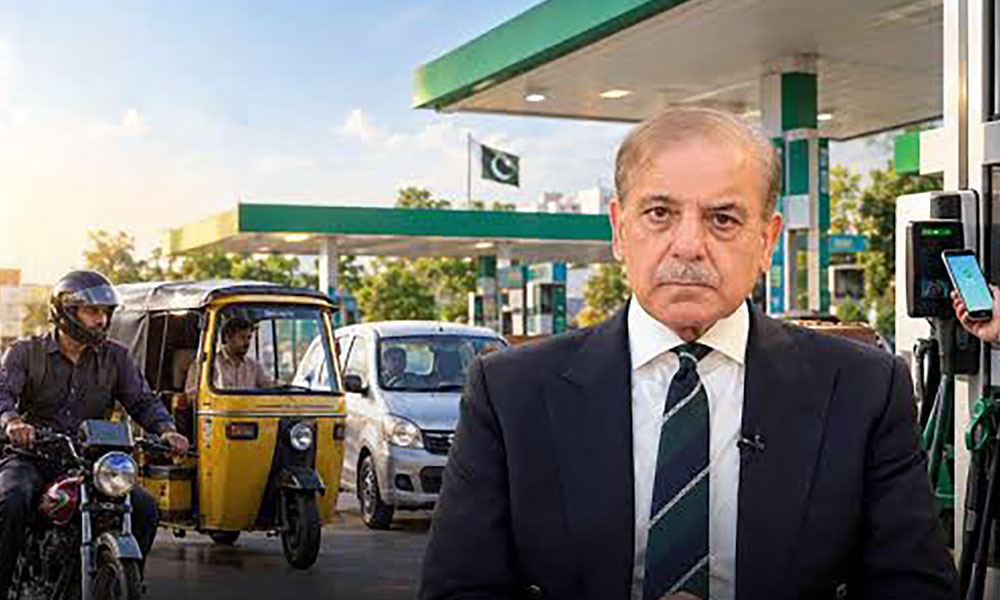
Discounted petrol offers support to working families as the government pledges to continue its Rs75 billion programme.
Before sunrise, a motorcycle starts outside a modest Pakistani home. Its rider may be a factory worker, a delivery driver or a father taking his children to school before beginning another working day. For this household, petrol is an unavoidable expense. Every increase in its price leaves less money for food, electricity, education and medicines. Fuel relief, therefore, has a significance that extends far beyond the petrol station.
Prime Minister Shehbaz Sharif’s Fuel Relief Scheme has now crossed an important milestone. On October 9, 2026, the prime minister announced that more than 10 million people had directly benefited from the programme. More than 10.8 million citizens had registered, while approximately 19.4 million subsidy tokens had been redeemed. These government figures show considerable demand for assistance with one of the most persistent expenses facing working households.
The programme has also received international coverage. The Associated Press carried the headline, “Pakistan’s subsidies benefit 10M low-income people as war drives up fuel prices.” Its reporting placed the initiative in the context of rising energy costs and described the assistance available to motorcycle riders, rickshaw drivers and eligible small-car owners. This coverage brings international attention to Pakistan’s effort to protect vulnerable citizens from fuel price pressures.
Reuters also reported the introduction of Pakistan’s targeted fuel subsidy in September, describing assistance for motorcycle, rickshaw and small-car owners following sharp increases in petrol and diesel prices. The international reporting highlights the difficult circumstances surrounding the programme: governments must respond to immediate household hardship while managing the financial cost of providing relief.
Al Jazeera’s headline offered another perspective: “Millions of Pakistanis get government fuel relief but some miss out.” (aljazeera.com??) That observation underlines an essential responsibility for the authorities. A programme can achieve substantial reach and still require improvements. Citizens who qualify should be able to access assistance without unnecessary obstacles, confusing instructions or repeated unsuccessful visits to petrol stations.
The scheme covers eligible motorcycle riders, rickshaw and Qingqi operators, and owners of cars with engine capacities of up to 800cc. According to figures shared by the prime minister, nearly 96 percent of beneficiaries were motorcyclists. This is a particularly relevant feature because motorcycles provide essential mobility for many people whose incomes depend on reaching workplaces, serving customers or making deliveries throughout the day.
Eligible motorcycle and rickshaw users receive a weekly fuel subsidy token worth Rs500. An important revision removed the requirement to purchase at least five litres in a single transaction. Beneficiaries can now buy smaller quantities. Eligible cars up to 800cc receive a discount of Rs100 per litre on ten litres every ten days. These arrangements offer defined assistance rather than an unlimited reduction in fuel costs.
The removal of the minimum purchase requirement reflects an understanding of daily financial realities. Many workers buy petrol according to the money available in their pockets. A person earning a daily wage may struggle to pay for several litres at once. Allowing smaller purchases makes the assistance more practical and recognises that access depends on affordability at the moment of purchase.
The government has allocated Rs75 billion to the programme, and the prime minister has pledged its continuation. He estimated that around 50 million people benefit directly or indirectly when recipients’ families are included. That estimate should be distinguished from the verified announcement of more than 10 million direct beneficiaries. Clear presentation of these figures strengthens public understanding and protects the credibility of the initiative.
For a household balancing several essential expenses, savings on transport can create welcome breathing space. The benefit will vary according to fuel consumption and individual circumstances, but even limited assistance can matter. For a rickshaw driver or delivery worker, reduced fuel expenditure may also help preserve earnings from a long working day.
Continued success will depend on reliable administration. Registration should be understandable, token verification dependable and complaints addressed promptly. Participating petrol stations need clear procedures, while beneficiaries need accessible information about eligibility and redemption. Regular publication of expenditure and participation figures would allow citizens to assess whether public money is reaching its intended recipients.
Fuel assistance should also accompany longer term efforts to improve public transport, employment and household incomes. Immediate relief and lasting economic improvements can work together. The milestone already announced deserves recognition, but its strongest endorsement will come from citizens themselves: the worker who reaches his job, the driver who retains more of his earnings and the family with a little more money available for its daily needs.






COMMENTS