Pakistan Launches AI Certification Programme for Businesses
- 31 Oct - 06 Nov, 2026


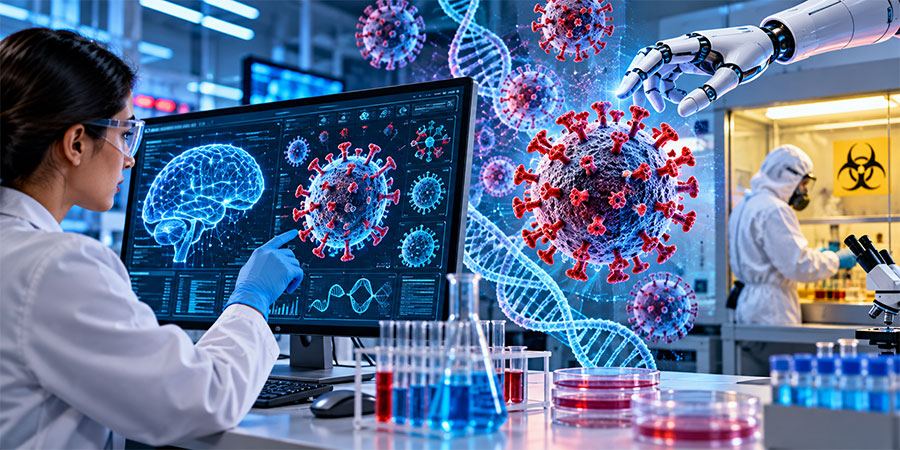
Artificial intelligence (AI) is opening new possibilities in virology, but researchers warn that AI-generated viruses could pose serious biosafety and biosecurity risks.
Scientists have developed AI systems capable of designing novel viral sequences and generating models of viruses that may be different from naturally occurring strains. These advances could support scientific research and help accelerate the development of treatments. However, experts are concerned that the same technology could potentially be misused to design harmful biological agents.
Researchers have cautioned that AI-designed viruses may challenge existing biosafety measures, particularly if they possess characteristics that make them more dangerous or difficult to detect. The rapid advancement of generative AI has also raised questions about whether current screening, monitoring and laboratory safety systems are sufficient to address emerging threats.
To reduce these risks, experts emphasize the need for stronger biosecurity protocols, responsible AI development and effective oversight of biological research. They also recommend collaboration among scientists, technology developers and policymakers to establish safeguards that keep pace with innovation.
While AI holds significant promise for medical research and disease prevention, its application in virology requires careful regulation. Balancing scientific progress with public safety will be essential to ensure that AI-powered biotechnology benefits humanity without creating new biological threats.
















COMMENTS